Blacksburg Rental Property Occupancy Ordinance: What Investors Should Know
August 13, 2026
August 13, 2026
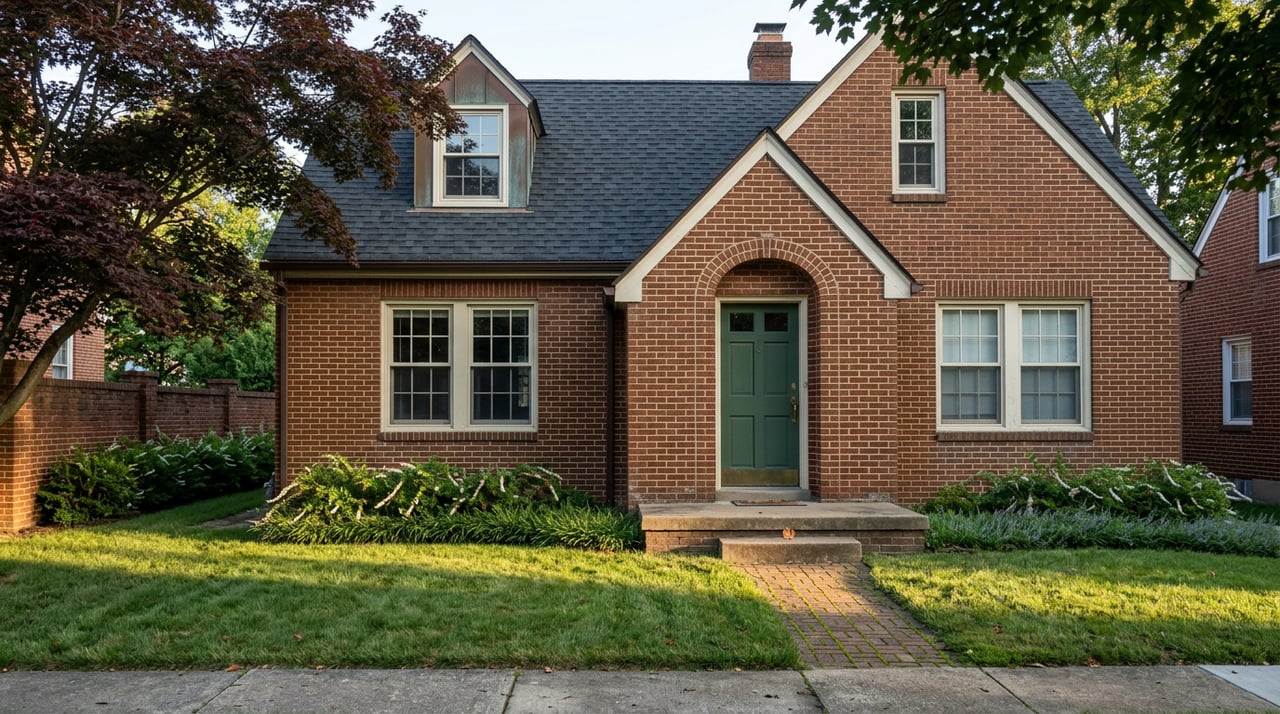
Two houses sit three blocks apart in Blacksburg, both four-bedroom homes built in the same decade, both listed within ten thousand dollars of each other. An investor touring both would reasonably assume they carry the same rental ceiling. They don't. The Town of Blacksburg's renter guidance says one can legally house three unrelated Virginia Tech students, each paying market rent for a bedroom. Let's Talk Blacksburg says the other can house exactly two, no matter how many bedrooms sit empty or how badly a landlord wants to lease that third room.
The difference has nothing to do with square footage, curb appeal, or which street looks nicer walking up. It comes down to the zoning district and occupancy standard that apply to each property. If you're evaluating Blacksburg as a rental investment, that distinction matters more than almost any number on the MLS printout.
Blacksburg has long applied a straightforward occupancy rule near campus: depending on where a property sits, only two, three, or four unrelated people can live in the same residence, regardless of how many bedrooms the house has. The town's own guidance to renters is direct about how seriously it takes the standard, and about what counts as a legal bedroom in the first place.
"There have been people in the past who have lived in a root cellar while living off campus."
That line isn't a hypothetical warning. It's the town explaining, plainly, that a dirt-floor basement space does not qualify as a bedroom no matter what a lease says. A legal bedroom needs a window that functions as an emergency exit. Working smoke detectors, safe electrical service, and a visibly posted address round out the health and safety checklist that travels with the occupancy standard, and the town says it actively enforces the rule rather than treating it as paperwork.
The Town of Blacksburg says that, for most of the town's existing single-family housing, built under the traditional R-4 Low Density Residential district, that occupancy ceiling tops out at up to three unrelated persons per dwelling. That number has quietly become the working assumption behind a lot of Blacksburg rental math.
That assumption stopped being universal in November 2024, and the shift matters right now for anyone shopping investment property in town.
Blacksburg Town Council approved Ordinance 2053 by a 7-0 vote, creating a new by-right Small Lot Residential option that allows smaller homes on smaller parcels. The occupancy standard attached to this new district isn't the familiar three unrelated persons. It's a family plus one unrelated person, or two unrelated persons per dwelling.
That lower cap wasn't an oversight. According to the town's own explanation on Let's Talk Blacksburg, officials built it in specifically because they did not want new units to "default to investment properties housing students," and wanted the new housing type aimed at long-term residents instead. The practical result: a brand-new small-lot home built under this ordinance, even a four-bedroom one, tops out at two unrelated renters. A traditional R-4 house across the street, built under the older standard, can still hold three.
| Traditional R-4 | Small Lot Residential (Ordinance 2053) | |
|---|---|---|
| Unrelated occupant cap | Up to 3 | Family plus 1, or 2 unrelated |
| Minimum lot size | 10,000 sq ft | 3,000 sq ft |
| Local examples | Established single-family neighborhoods | Echols Village, Village at Toms Creek (alley access via Plum Alley off Honeysuckle Drive) |
| Eligible parcels | Most existing R-4 lots | R-4 parcels with 2 or more contiguous developable acres under common ownership |
Ordinance 2053 only applies where a property owner controls at least two contiguous developable acres and chooses to build under the new small-lot framework.
Before writing an offer on a Blacksburg property you intend to rent to unrelated tenants, the useful question isn't what the neighborhood generally allows. It's what applies to that specific parcel.
Occupancy caps aren't the only zoning detail that quietly resets a property's income potential at closing. Blacksburg's accessory apartment program lets a homeowner add a second rentable unit on a single-family lot, but it comes with a condition that catches buyers off guard. The ordinance requires the primary home or the apartment to be owner-occupied, and the rental permit does not run with the land. The town records an owner-occupancy covenant in the Montgomery County Circuit Court land records specifically so future buyers see the condition coming.
In practice, that means a listing advertised with an income-producing accessory apartment already rented may need a permit reset the moment title changes hands, and the new owner has to actually live in the primary home or the apartment to keep the arrangement legal.
Blacksburg's average home value stood at $418,961 as of May 2026, up 0.5% year over year, with homes going to pending status in around 15 days. In a market moving that fast, there's little room to discover an occupancy problem after you've already won a bidding round and locked in financing.
There's a slower-moving effect worth watching too. As more new construction gets built under the lower-occupancy Small Lot standard, the supply of older R-4 homes that still carry the higher three-unrelated allowance doesn't grow to match it. That supply is essentially fixed, and the town designed the newer ordinance specifically to steer future development away from student-rental economics. For an investor thinking five or ten years out rather than one lease cycle, the legacy occupancy right attached to an existing R-4 house may end up worth more than an extra bedroom would be.
How do I find out which standard applies to a specific address? The town maintains a map of occupancy zones and will confirm by phone. Calling the Planning and Building Department at 540-443-1300 before writing an offer is faster and more reliable than guessing from a listing description.
An occupancy cap changes the math on a Blacksburg rental property before financing, taxes, or repair costs even enter the conversation. If you're comparing two properties that look identical on paper and want a clear read on what each one can actually support, The Swanson Team can walk through the zoning, the numbers, and the local specialists who help investors close with a full picture rather than a partial one. Contact us.
This article is general information, not legal, tax or financial advice. Consult a qualified professional about your situation.
We treat every client like a longtime friend, guiding each step with honesty, care, and a commitment to protecting your investment.

The Swanson Team
Address 3681 Yellow Sulphur Rd Ste 1A Blacksburg, VA 24060